
Western Sahara
Field Monograph
Terrain & Meteorological Dynamics · Western Sahara
Anchored by El-Aaiun across the diverse landscapes of Africa, Western Sahara experiences Hyper-Arid Subtropical Desert & Semi-Arid Steppe System (BWh). The premier meteorological window spans November, December, January, February, March, offering an annual thermal envelope of 12°C to 46°C.
Spanning key geographic provinces including EH General Region with El-Aaiun as its national focal point in Africa, Western Sahara exhibits a well-defined climate structure under Hyper-Arid Subtropical Desert & Semi-Arid Steppe System (BWh). Topographic gradients modulate wind flow, humidity, and sky clarity throughout the year.
The most favorable travel conditions occur in November, December, January, February, March, within an annual thermal range of 12°C to 46°C. Steady atmospheric visibility during these months enhances field excursions to iconic sites including Dait Aadam Anayin Sahlia, Daiat Infelflen, Dait Ulad Tidrarin, Daiat Infelflen.
Golden hour illumination occurs around 06:00 – 07:00 & 17:15 – 18:15 (Deep copper and crimson glow across dunes, canyons, and stone facades), bringing out unbroken solar radiance, dramatic diurnal temperature swings, and crystal-clear starlit desert nights. Travelers should keep in mind: Extreme midday thermal radiation from May to September and occasional seasonal dust-bearing winds. To stay prepared across a 10-14-day itinerary, pack Loose UV-protective linen clothing, High-SPF sunblock & lip balm, Polarized UV400 eyewear & wide-brim hat, Insulated hydration flask & light evening layer.
Seasonal Almanac
12-Month Climate Calendar for Western Sahara
Solar amber months represent optimal travel windows with stable atmospheric pressure, ideal temperatures, and high sunshine clarity.
Smart Packing & Hourly Itinerary for Western Sahara
Suggested duration: 10-14 daysGoWeather AI runs our 6-SKU NVIDIA Blackwell engine and 1.2km Chronos-120M sovereign weather mesh to calculate microclimates and recommended gear for Western Sahara:
Archival Field Plates
Archival Landscape Collection · Western Sahara
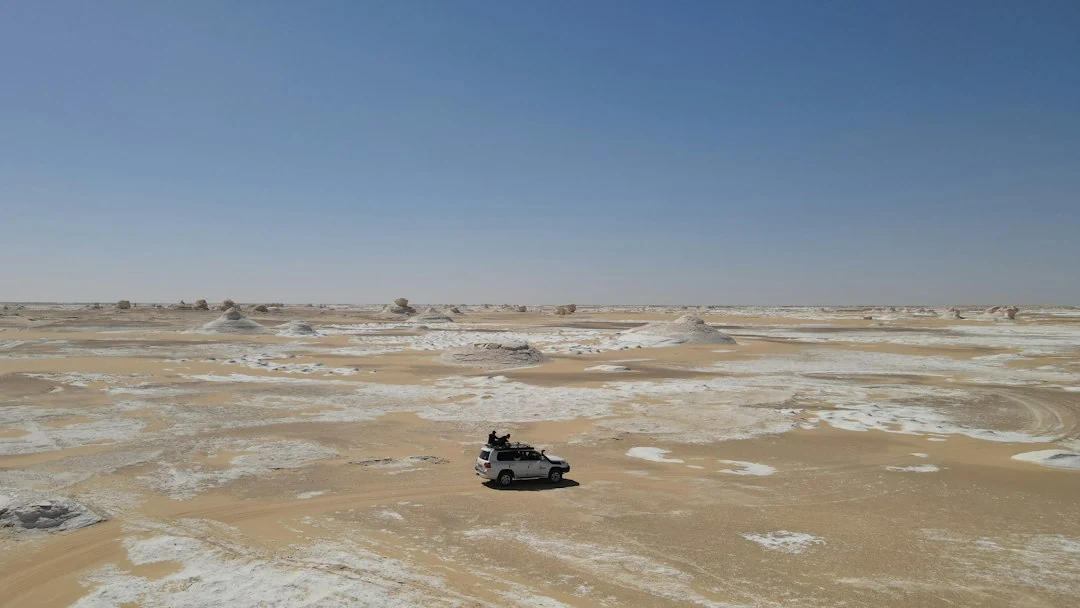
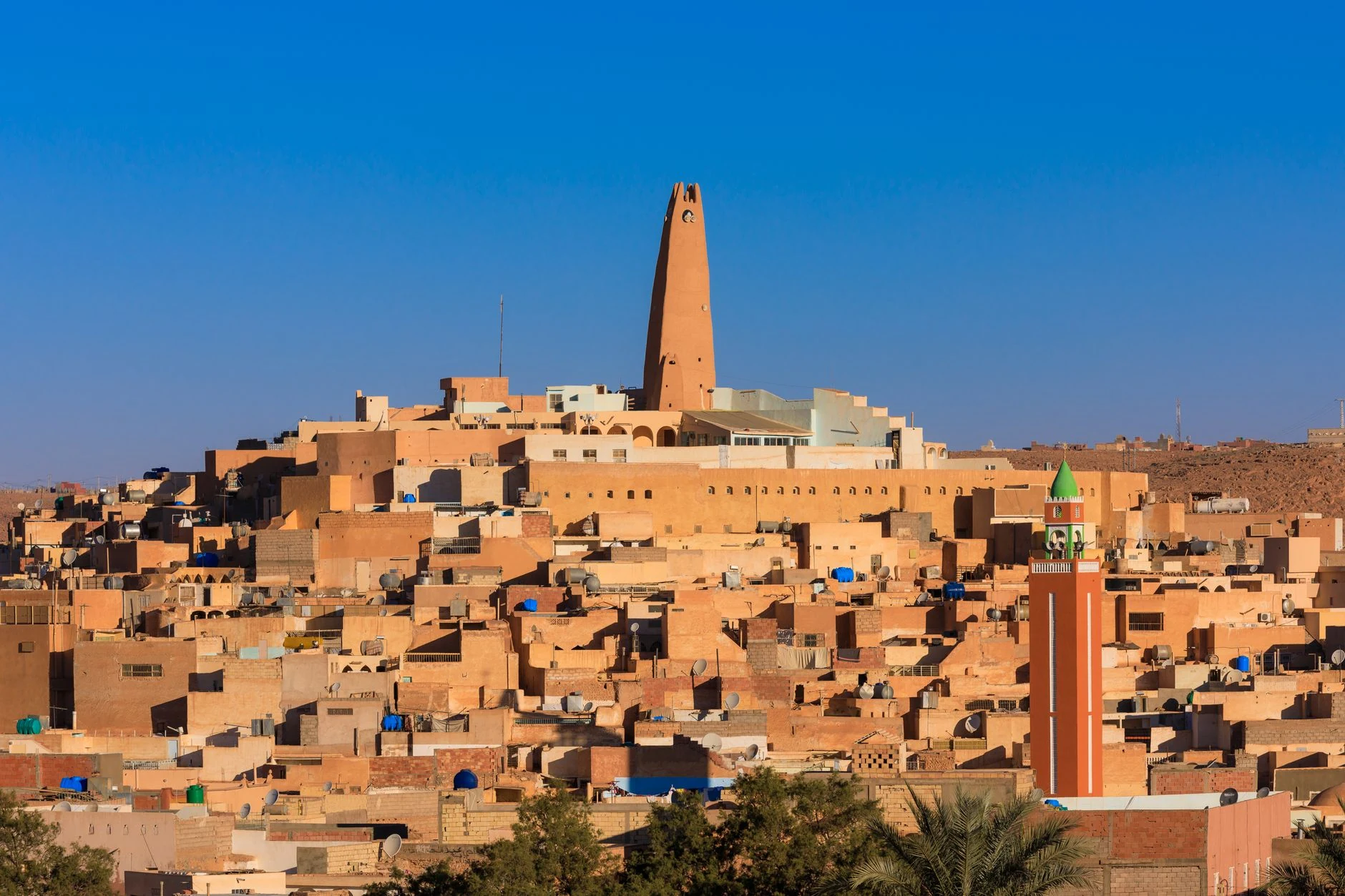
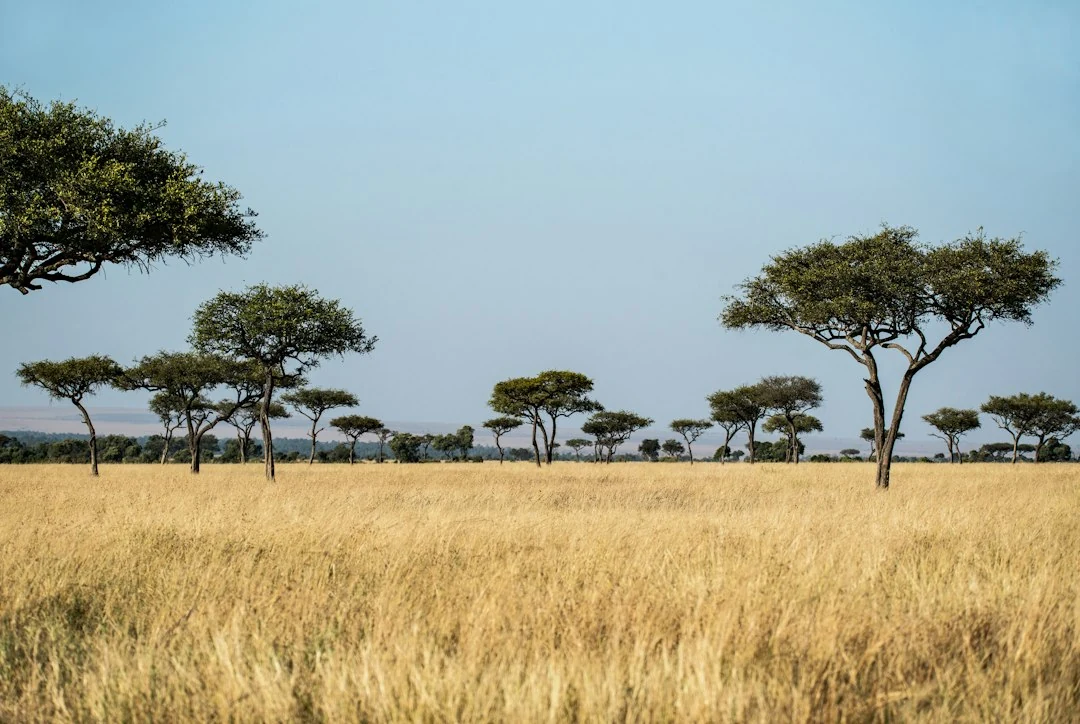
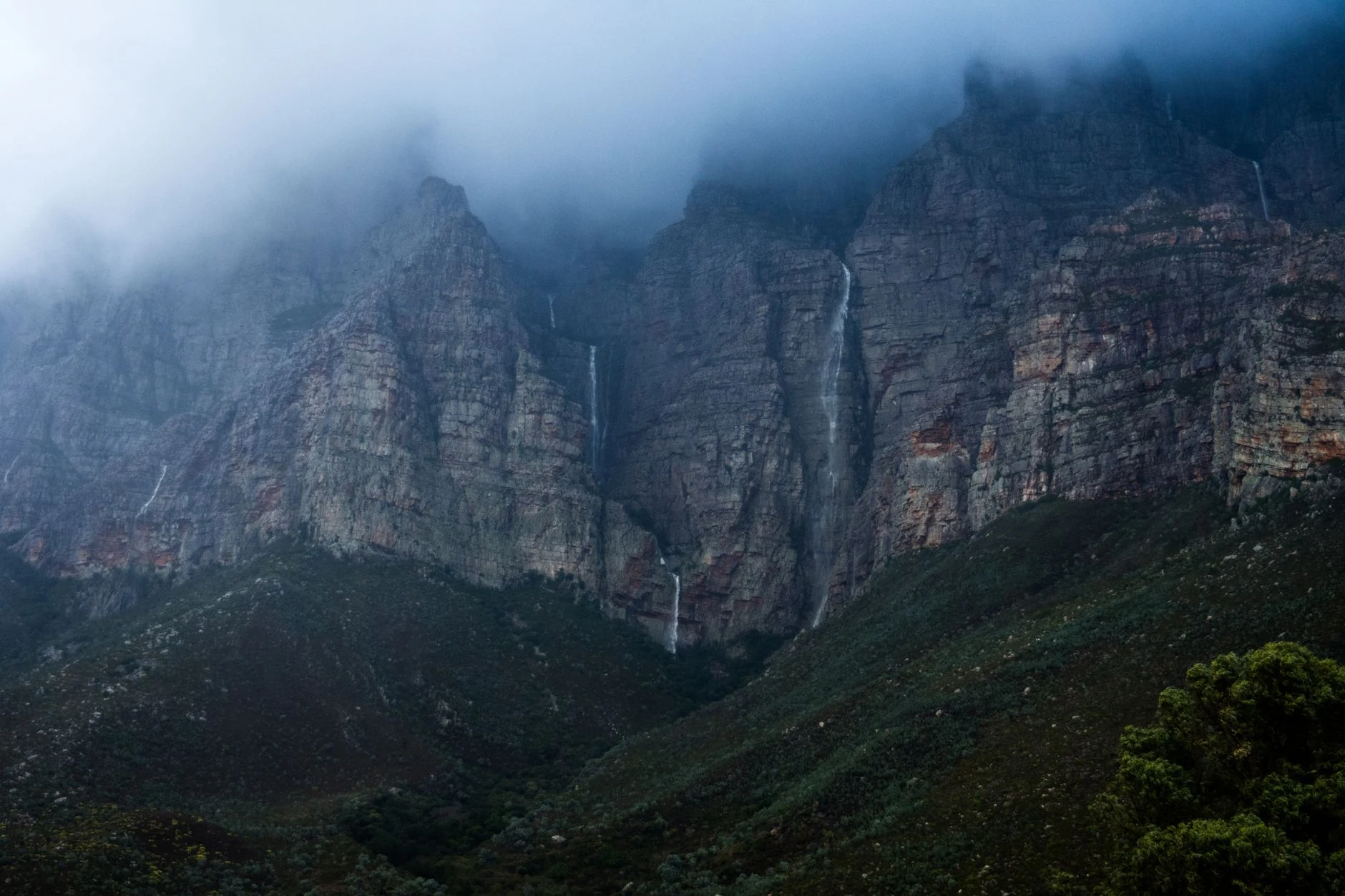
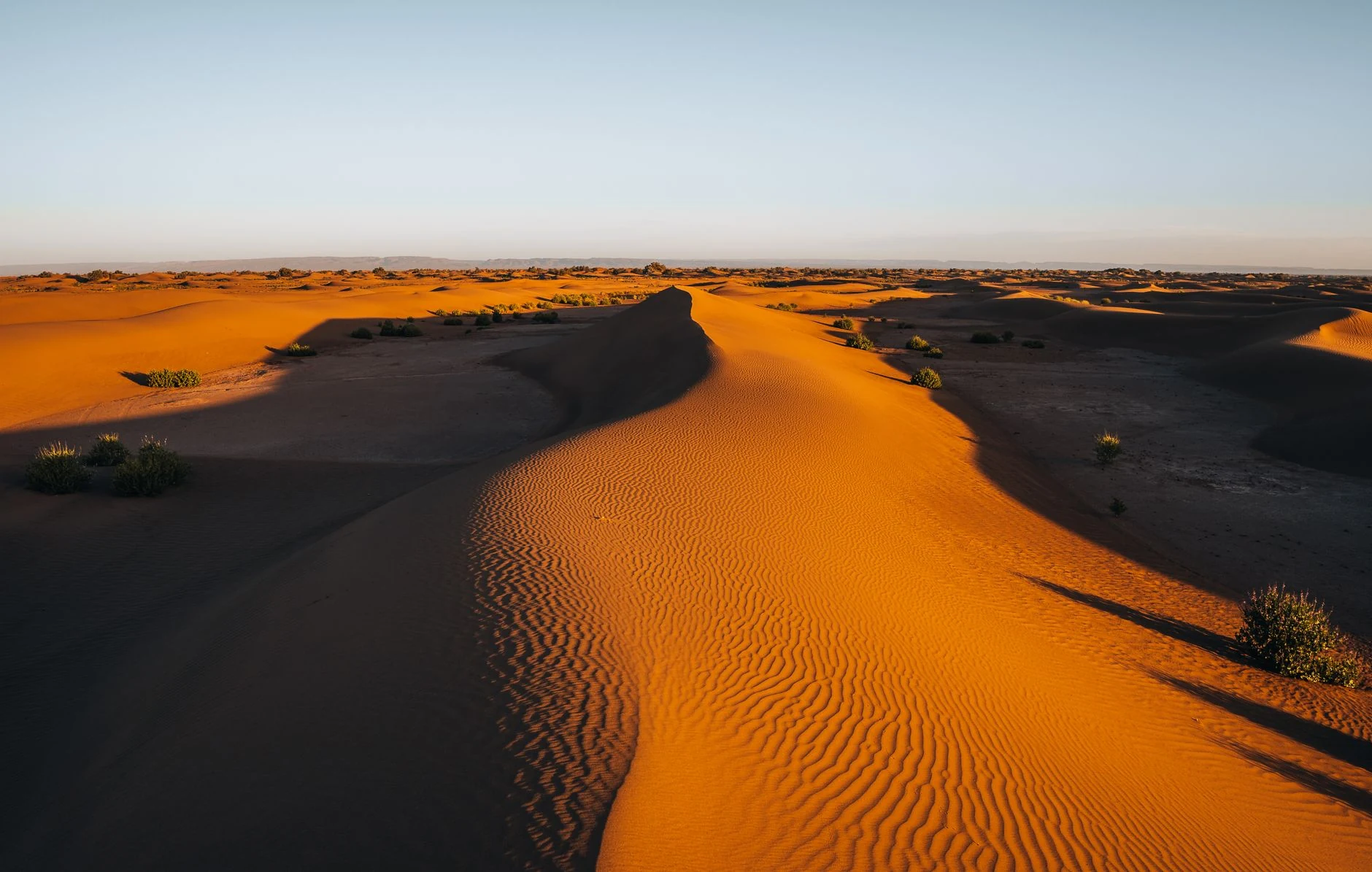
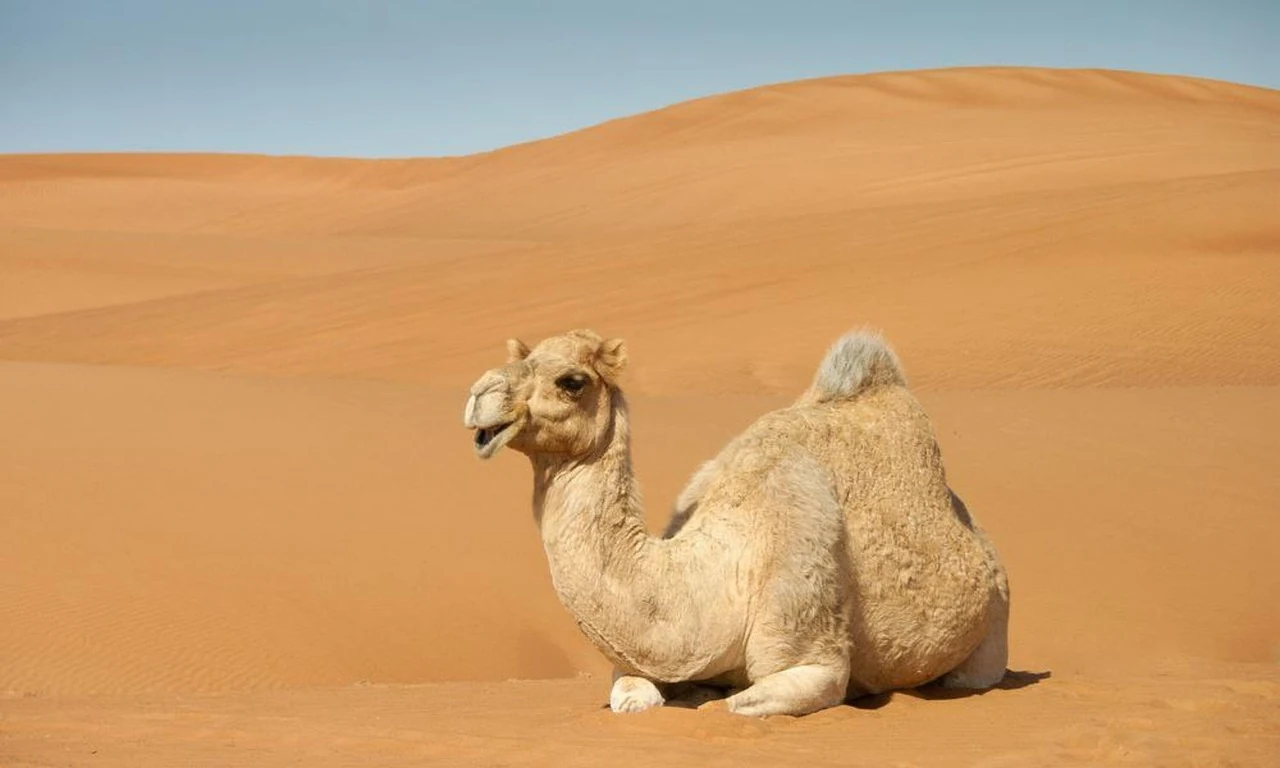
Curated photographic plates documenting the terrain, atmospheric transitions, and seasonal light across Western Sahara.
Localized Climate & Landmarks
Microclimate Regions & Iconic Landmarks in Western Sahara
Select any iconic region or landmark to instantly ask GoWeather AI about its localized microclimate and optimal photography timing.
Egypt مصر
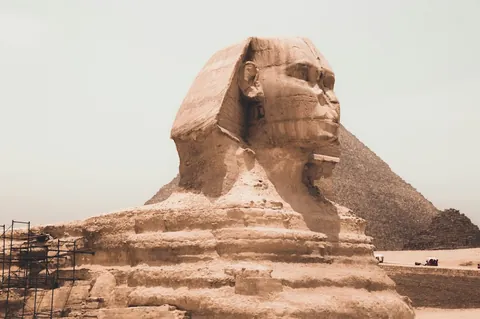
CairoPositioned in Africa with its cultural and administrative heart in Cairo, Egypt is defined by Hyper-Arid Subtropical Desert & Semi-Arid Steppe System (BWh). Optimal seasonal travel unfolds during November, December, January, February, March, when temperatures range between 12°C and 46°C.
Morocco المغرب
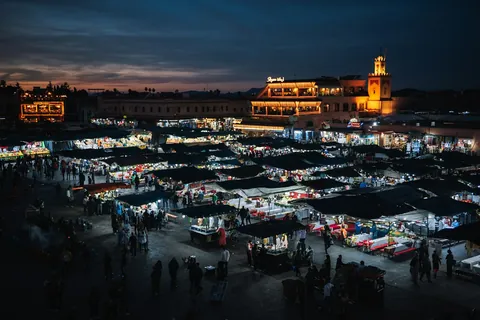
RabatAcross the geographic expanse of Morocco in Africa, Sun-Drenched Dry-Summer Coastal & Etesian Breeze System (Csa, BSh, BWh) shapes daily atmospheric rhythms around Rabat and beyond. Travelers encounter the most balanced conditions in November, December, January, February, March, within a 5°C–33°C annual range.
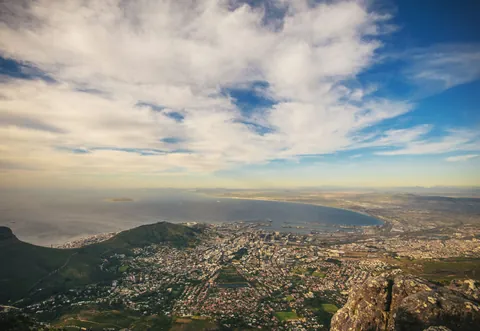
South Africa
PretoriaCombining the heritage of Pretoria with regional landscapes across Africa, South Africa is governed by Hyper-Arid Subtropical Desert & Semi-Arid Steppe System (BSh, Cwb, Cfa). Field conditions peak during November, December, January, February, March, with annual temperatures shifting between 10°C and 38°C.
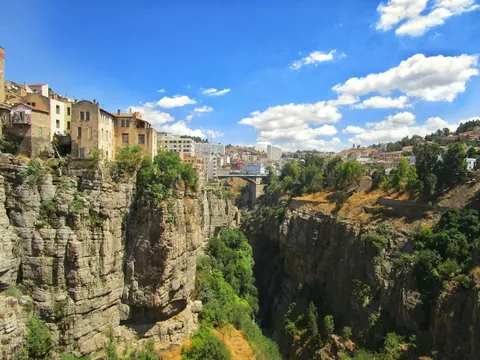
Algeria الجزائر
AlgiersAcross the geographic expanse of Algeria in Africa, Hyper-Arid Subtropical Desert & Semi-Arid Steppe System (BWh, Csa) shapes daily atmospheric rhythms around Algiers and beyond. Travelers encounter the most balanced conditions in November, December, January, February, March, within a 12°C–46°C annual range.
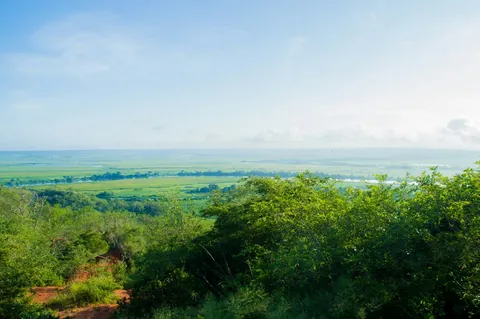
Angola
LuandaPositioned in Africa with its cultural and administrative heart in Luanda, Angola is defined by Tropical Monsoon & Dry-Winter Savanna System (Aw, BSh, Cwb). Optimal seasonal travel unfolds during November, December, January, February, March, when temperatures range between 20°C and 36°C.
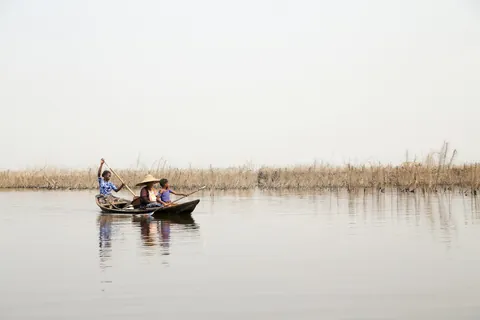
Benin
Porto-NovoPositioned in Africa with its cultural and administrative heart in Porto-Novo, Benin is defined by Tropical Monsoon & Dry-Winter Savanna System (Aw). Optimal seasonal travel unfolds during November, December, January, February, March, when temperatures range between 20°C and 36°C.